ADA Considerations for Commercial Concrete Walks and Steps
People seeking ADA concrete walks and steps installation are typically aiming to ensure accessibility and compliance, and local contractors can help meet these ADA considerations effectively.
Property owners in the area who are planning to enhance accessibility often find that ADA considerations for commercial concrete walks and steps are a crucial part of ensuring compliance and welcoming all visitors. Properly designed and installed concrete pathways and entryways not only meet legal standards but also improve safety and convenience for employees, customers, and guests. Whether updating existing structures or constructing new ones, understanding the practical aspects of ADA requirements can help property owners make informed decisions that support accessibility goals.
For those exploring options to improve their commercial spaces, local contractors specializing in ADA concrete walks and steps can provide valuable guidance and skilled installation. These professionals understand the specific guidelines and best practices necessary to create smooth, level, and compliant surfaces that accommodate mobility devices and ease of access. Continuing to read can offer insights into how these services can help ensure that accessibility considerations are seamlessly integrated into property improvements, making spaces more inclusive and functional for everyone.
- Commercial property owners may need ADA concrete walks and steps installed to ensure accessibility compliance, and local contractors can design and build ADA-friendly features that meet regulations. Retail businesses seeking to improve customer access often turn to local service providers for expert installation of ADA-compliant pathways and entry steps. Office complexes requiring accessible routes for employees and visitors can rely on local pros to create smooth, level surfaces and compliant steps. Healthcare facilities looking to upgrade existing concrete walkways can work with local contractors to meet ADA standards and enhance accessibility. Hospitality venues aiming to provide accessible entryways often contact local pros for professional ADA concrete walk and step installation.

When people search for ADA considerations for commercial concrete walks and steps, they are often looking for guidance on how to make outdoor pathways accessible to everyone, including individuals with mobility challenges. This topic typically relates to the design and construction of exterior walkways, ramps, and stairs that meet federal accessibility standards. Property owners and managers may be planning new installations or upgrades to existing concrete features to ensure compliance and improve usability for all visitors. Understanding ADA requirements helps prevent potential legal issues and creates a welcoming environment for customers, employees, or residents who rely on accessible routes.
The kinds of problems or plans associated with ADA considerations for commercial concrete walks and steps often involve addressing uneven surfaces, steep inclines, or barriers that hinder mobility. Property owners might need to retrofit existing pathways or design new ones that incorporate features such as curb ramps, tactile warning surfaces, and appropriate slope gradients. These projects are common in retail centers, office complexes, parking lots, and public facilities where accessibility is a priority. Local contractors experienced in ADA-compliant concrete work can assist with planning and executing these projects, ensuring that all features adhere to current standards and regulations.
Typical properties that come up in discussions about ADA considerations for concrete walks and steps include commercial buildings, public parks, municipal facilities, and multi-unit residential complexes. These properties often have high foot traffic and must accommodate a diverse range of users, including those with disabilities. For many property owners, the goal is to create safe, smooth, and level pathways that facilitate easy navigation. Local service providers who specialize in ADA-compliant concrete installation understand the specific requirements for these property types and can help design and build solutions that meet accessibility standards while fitting the property’s aesthetic and functional needs.
For property owners and managers, working with local pros who understand ADA considerations for commercial concrete walks and steps can streamline the process of creating accessible outdoor spaces. These professionals bring the expertise needed to evaluate existing pathways, identify areas that need modification, and implement solutions that meet federal standards. Whether installing new concrete ramps, leveling uneven surfaces, or adding tactile features, local contractors focus on practical, durable results that enhance accessibility. Connecting with experienced service providers ensures that projects are completed correctly and that properties remain compliant with ADA guidelines, fostering inclusive access for all visitors.
Accessible Pathway Construction - local contractors who specialize in building accessible pathways ensure compliance with ADA guidelines for commercial properties, including proper slope and surface considerations.
Commercial Ramp Installation - professionals experienced in ADA ramp design and installation can help create safe, compliant access points for businesses and public spaces.
Concrete Surface Repair and Resurfacing - service providers skilled in concrete repair can address uneven surfaces and cracks that may hinder accessibility and safety.
Stairway and Handrail Installation - local pros familiar with ADA requirements can install or upgrade stairs and handrails to improve safety and accessibility for all users.
Drainage and Slope Planning - experts in site grading and drainage planning help ensure concrete walks meet ADA slope standards and prevent water pooling or hazards.
Site Accessibility Assessments - qualified service providers can evaluate existing concrete walks and steps to identify ADA compliance issues and recommend improvements.

When evaluating service providers for ADA considerations for commercial concrete walks and steps, it is important to consider their experience with similar projects. A contractor who has handled ADA-compliant walkways and accessible steps in commercial settings is more likely to understand the specific requirements, such as proper slope, tactile warnings, and appropriate surface textures. Reviewing a contractor’s portfolio or requesting examples of past work can provide insight into their familiarity with ADA standards and their ability to deliver compliant, functional solutions that meet accessibility needs.
Clear, written expectations are essential when comparing local contractors for ADA concrete walks and steps installation. A reputable service provider should be able to outline the scope of work, including details about surface finishes, slope measurements, and safety features, in a comprehensive proposal. This documentation helps ensure that both parties have a shared understanding of the project requirements and compliance standards, reducing the potential for misunderstandings or omissions that could impact accessibility or safety.
Reputable references and good communication are key indicators of a reliable contractor. When considering local pros, it is helpful to seek out reviews or testimonials from previous clients who had similar ADA-related projects. Effective communication throughout the process - from initial consultation to project completion - allows for questions to be addressed promptly and ensures that ADA considerations are integrated correctly into the design and installation. Choosing a contractor who values transparency and clear dialogue can contribute to a smoother project that aligns with accessibility standards and local regulations.
Property owners often search for ADA considerations for commercial concrete walks and steps when they are planning practical projects around their homes and businesses. Local pros provide ADA Concrete Walks and Steps Installation services for everyday jobs and straightforward project options.
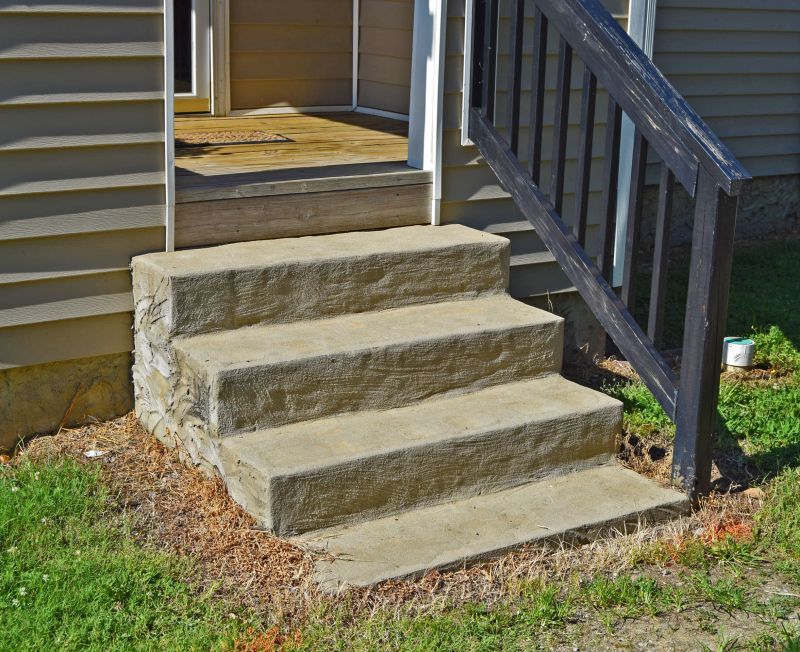
Understanding ADA considerations for commercial concrete walks and steps is important for property owners aiming to create accessible outdoor spaces. Whether planning a new installation or updating existing walkways, ensuring that surfaces are smooth, level, and compliant with accessibility standards can help prevent potential issues and improve usability for all visitors. Property owners in the area often look into ADA guidelines to make sure their commercial properties are welcoming and accessible, especially in busy areas where foot traffic is high or where accessibility is a legal requirement.
Local contractors who specialize in ADA concrete walks and steps installation can assist with ensuring that these features meet current standards. They can evaluate the site, recommend appropriate design adjustments, and handle the installation process to create safe, compliant pathways. Choosing experienced service providers can make it easier to navigate the complexities of ADA requirements and achieve a finished result that promotes accessibility and safety for everyone.
What are the key ADA considerations for commercial concrete walks and steps? ADA considerations for commercial concrete walks and steps include ensuring proper slope, width, and surface texture to accommodate individuals with mobility challenges, as well as incorporating accessible ramps and handrails where necessary.
How do local contractors ensure concrete walks and steps meet ADA standards? Local contractors assess site conditions, follow ADA guidelines for slope and surface smoothness, and install features like tactile warning surfaces and compliant handrails to meet accessibility requirements.
Are there specific design features that improve accessibility for concrete steps and walks? Yes, features such as gentle slopes, wide pathways, textured surfaces for slip resistance, and properly positioned handrails enhance accessibility for all users.
What factors influence the ADA compliance of concrete walkways and steps? Factors include proper grading, adequate width, non-slip surfaces, appropriate slope ratios, and the inclusion of accessible features like ramps and handrails as per ADA guidelines.
Can local service providers modify existing concrete walks and steps to meet ADA requirements? Yes, local contractors can perform modifications such as adding ramps, handrails, or resurfacing to improve ADA compliance of existing concrete walks and steps.
Accessible Pathways - Ensuring concrete walks are wide enough and free of obstructions helps property owners create accessible routes for all visitors with the help of local contractors.
Proper Slope and Grade - Local pros can design and install steps and walkways with appropriate slopes to meet ADA guidelines, making entrances safer and easier to navigate.
Tactile Indicators - Incorporating textured surfaces and detectable warning surfaces can assist individuals with visual impairments, with local contractors providing expert installation.
Smooth and Level Surfaces - Achieving a flat, slip-resistant surface is essential for ADA compliance, and experienced service providers can ensure concrete steps and walks meet these standards.
If you are thinking about ADA considerations for commercial concrete walks and steps for a property, this guide is meant to help you understand this topic, the typical project types, and how different options might fit your plans.
When you are ready, you can use the quote form on this page to share a few details about your project. From there, local pros can review the basics and follow up with options that match what you have in mind.